
1.2316
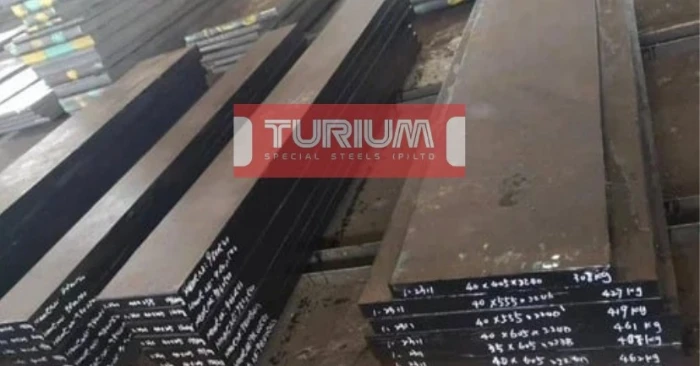
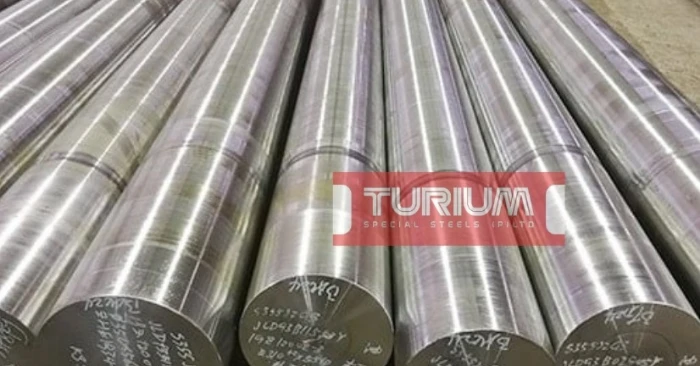
1.2316 is a high-quality, corrosion-resistant plastic mould steel alloyed with chromium. It is specially designed for molds used in corrosive or chemically aggressive plastic materials, such as PVC, acetates, and other chlorine-based plastics. With a high chromium content (up to 16–17%), it offers exceptional corrosion resistance, even in humid working environments or in molds with cooling channels.
Applications
Plastic Injection Moulds for Corrosive Plastics
Ideal for molding materials like PVC, acetates, and flame-retardant plastics.
Medical Device Moulds
Used in precision molds for sterile and corrosion-sensitive medical components.
Food Packaging Moulds
Suitable for hygienic applications due to its corrosion resistance.
Optical Component Moulds
Preferred for high-gloss and clear parts, like lenses and covers.
Moulds with Water Cooling Channels
Resistant to internal rusting from cooling fluids or moisture exposure.
Multi-cavity and High-Production Moulds
Withstands prolonged molding cycles with minimal maintenance.
Moulds Used in Humid or Tropical Climates
Performs well where environmental moisture could lead to rust in other steels.
Mould Inserts and Components
Applied where localized corrosion protection and high polish are needed.
Mirror Finish Moulding Tools
Common in applications requiring optical clarity or smooth surface reproduction.
Technical and Industrial Parts Moulding
Used for parts with complex geometry and surface finish demands in aggressive conditions.
Chemical Composition
| Element | Carbon (C) | Chromium (Cr) | Manganese (Mn) | Silicon (Si) | Molybdenum (Mo) | Phosphorus (P) | Sulfur (S) |
|---|---|---|---|---|---|---|---|
| Percentage (%) | 0.32 – 0.40 | 15.00 – 17.00 | 0.30 – 0.50 | 0.20 – 0.60 | ≤ 0.30 | ≤ 0.030 | ≤ 0.030 |
Hardness
Supplied Condition (Hardened & Tempered):
Typically delivered with a hardness range of 280–330 HB (Brinell Hardness), equivalent to approximately 28–35 HRC (Rockwell Hardness C).
After Additional Hardening:
If further heat treated, 1.2316 can achieve hardness levels up to 50–52 HRC, depending on quenching and tempering parameters.
After Nitriding (Optional Surface Treatment):
Surface hardness can be increased up to 60–65 HRC, significantly improving wear and corrosion resistance without affecting the tough core.
Equivalent Grades
- DIN / EN (Germany) 1.2316
- AISI / SAE (USA) ~420 Modified (similar)*
- JIS (Japan) SUS 420J2 (approx.)*
- BS (UK) BS 4M40 (approx.)*
- AFNOR (France) Z40C13
- UNI (Italy) X40Cr14
Heat Treatment
Soft Annealing:
Heat to 710–740°C, hold until the material is uniformly heated, then cool slowly in the furnace.
Results in a softer structure for easier machining (hardness ~200 HB).
Hardening (Quenching):
Heat to 1000–1050°C, soak thoroughly depending on section size.
Quench in oil or air to develop full hardness.
Can achieve up to 50–52 HRC.
Tempering:
Temper immediately after hardening to relieve internal stresses.
Typical tempering range: 250–300°C.
Final hardness depends on tempering temperature and time.
Stress Relieving (Optional):
After heavy machining or welding, heat to 550–650°C, hold for 1–2 hours, and cool slowly.
Helps prevent cracking and warping.
Nitriding (Optional Surface Hardening):
For improved wear and corrosion resistance, nitriding at 500–530°C gives a surface hardness of 60–65 HRC.
Hardening
Preheating:
Heat the steel slowly and evenly in two stages:
First to 300–400°C
Then to 600–700°C
This reduces thermal shock during final hardening.
Austenitizing (Hardening Temperature):
Heat uniformly to 1000–1050°C.
Hold at this temperature to ensure full transformation (usually 30–60 minutes depending on section size).
Quenching:
Quench in oil or air depending on the required hardness and distortion control.
Oil quenching is preferred for higher hardness; air cooling reduces the risk of cracking in complex shapes.
Tempering (Immediately After Quenching):
Reheat to 250–300°C, hold for 1–2 hours, then cool in still air.
This reduces brittleness and internal stress.
Resulting Hardness:
After proper hardening and tempering, 1.2316 can achieve a hardness of 48–52 HRC.
For even higher surface hardness, nitriding may be applied later.
Welding
Preheating:
Preheat the steel to 250–350°C before welding to minimize thermal shock and reduce the risk of cracking.
Welding Methods:
Suitable processes: TIG (GTAW) and MIG (GMAW) welding.
Use a low-hydrogen, matching filler rod or austenitic stainless filler for corrosion resistance.
Interpass Temperature:
Maintain an interpass temperature of 300–350°C during the welding process.
Post-Weld Heat Treatment (PWHT):
Perform stress-relieving at 550–650°C after welding to prevent distortion and restore toughness.
For critical applications, surface finishing and corrosion testing are recommended.
Polishing & Rehardening (Optional):
Welded areas may require repolishing and re-hardening if used in mirror-finish mold cavities.
Machinability
Tool Selection:
Use carbide cutting tools for best performance, especially for high-speed machining.
Sharp and rigid tooling helps minimize tool wear due to its toughness and hardness.
Cutting Speed:
Moderate cutting speeds and feed rates are recommended to maintain tool life and surface finish.
Coolant Use:
Use high-quality cutting fluids or coolants to control heat and extend tool life.
Polishability:
Excellent polishability makes 1.2316 ideal for high-finish plastic molding surfaces like lenses or packaging.
Post-Machining Treatments:
After machining, nitriding or surface finishing can enhance wear and corrosion resistance without affecting the core.
Physical Properties
| Property | Value |
|---|---|
| Density | ~7.75 – 7.80 g/cm³ |
| Melting Point | ~1420 – 1460 °C |
| Modulus of Elasticity | ~210 GPa |
| Thermal Conductivity | ~20 – 25 W/m·K (at room temp) |
| Specific Heat Capacity | ~460 J/kg·K |
| Hardness (as supplied) | ~280 – 330 HB (~28–35 HRC) |
| Electrical Resistivity | ~0.60 – 0.65 μΩ·m |
| Corrosion Resistance | High (due to high Cr content) |
Chemical Properties
| Property | Value |
|---|---|
| Corrosion Resistance | Excellent, due to high chromium content (around 16–17%) |
| Wear Resistance | Good wear resistance, suitable for molding corrosive plastics |
| Toughness | Moderate toughness with good resistance to cracking |
| Hardenability | Good hardenability with heat treatment |
| Polishability | Excellent, can achieve mirror-like finishes |
| Dimensional Stability | High, stable during machining and heat treatment |
| Thermal Conductivity | Moderate, affects cooling during molding |
Dealer
We are a reliable dealer, supplier, and stockist of 1.2316 Plastic Mould Steel, catering to toolmakers, mold manufacturers, and precision engineering industries across India and abroad.
Our 1.2316 steel is sourced from trusted mills and is available in a wide range of forms including round bars, flat bars, plates, and custom-cut blocks to suit customer requirements. Each product is supplied with proper mill test certificates (MTC) ensuring chemical and mechanical compliance.